
The Psychology Behind Trade Show Conversions: Why Some Booths Win While Others Fail

Key Takeaways
Trade shows are often overwhelming. Make your booth one that visitors will want to visit, and get the best ROI with these tips:
- Create a calm oasis for overwhelmed trade show visitors with your exhibit
- Organized simplicity attracts stressed brains seeking psychological relief from the chaos
- Design elements such as height, specific color combinations, and motion attract important peripheral views
- Keeping visitors curious is a booth magnet
- Social proofing naturally attracts additional visitors
How can I maximize ROI at my trade show exhibit? Start with a trade show booth that is trade-show-visitor-focused as the keystone to your program.
Trade shows promise a level playing field. Every exhibitor gets the same floor space, the same hours, and access to the same stream of potential customers. Yet, the results are anything but equal: top performers can achieve an ROI of $5 for every $1 spent on exhibiting, compared to those who underperform.
Why does this disparity exist? It’s not glitzy displays or the latest swag. It’s because inexperienced exhibitors invest resources in surface-level aesthetics and branded giveaways, but overlook the psychological forces that drive visitor engagement and purchasing decisions. Let’s examine the biases, emotional triggers, and behavioral patterns that drive interest, generate leads, and foster loyal customers.
The Psychological Landscape of Trade Shows
Trade show attendees don’t behave rationally. Their brains operate in survival mode, processing overwhelming stimuli while fighting decision fatigue. Therefore, you have to design for this psychological reality instead of ignoring it.
The Overwhelmed Brain on the Show Floor
If there are over 200 exhibitors competing for attention through flashing displays and promotional chatter, attendees will quickly reach cognitive overload. According to research, visitors spend merely 8 seconds evaluating each booth before they move on, creating what economists call “attention scarcity.”
Paradoxically, an abundance of choices paralyzes them. Psychologist Barry Schwartz’s research shows that having too many options can lead to decision fatigue, causing people to either make poor choices or avoid making a decision altogether. Thus, the most effective exhibitors recognize that they’re designing for overwhelmed brains, which prioritize simplicity.
1. Create an Oasis in a Flight-or-Fight Environment
What’s more, crowded spaces and information bombardment activate the same stress systems our ancestors used to escape predators.
Hence, attendees tend to
- gravitate toward familiar brands
- heavily rely on social proof from peers, and
- make snap judgments rather than thoughtful evaluations.
This explains why pushy sales tactics can backfire.
When someone’s stress response is already activated, high-pressure approaches may not always be practical.
Successful exhibitors create psychological safety zones through
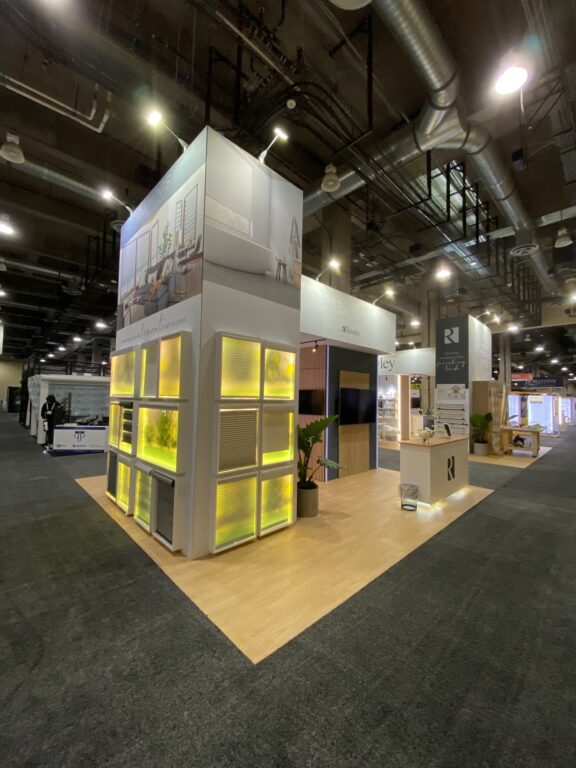
- open booth layouts
- calm lighting, and
- non-threatening conversation starters
that reduce rather than amplify stress.
2. Attention Patterns and Visual Processing
Peripheral vision often trumps direct sight lines in driving attraction. Elements positioned outside the main focal point (elevated displays, strategic lighting, or movement) trigger subconscious interest that pulls visitors closer. This explains why some booths generate interest despite unremarkable front-facing displays.
Negative space also creates a competitive advantage. While cramped competitors assault visitors with visual noise, clean layouts with purposeful empty areas signal professionalism and reduce cognitive load. In an environment of overwhelming stimulation, organized simplicity attracts stressed brains seeking psychological relief from the chaos.
The Attraction Phase–Getting People to Stop
Most exhibit designers create booths based on aesthetics and budget constraints. However, the most effective displays tap into predictable psychological patterns that automatically influence visitor behavior and engagement decisions.
3. Visual Psychology and Attention Capture
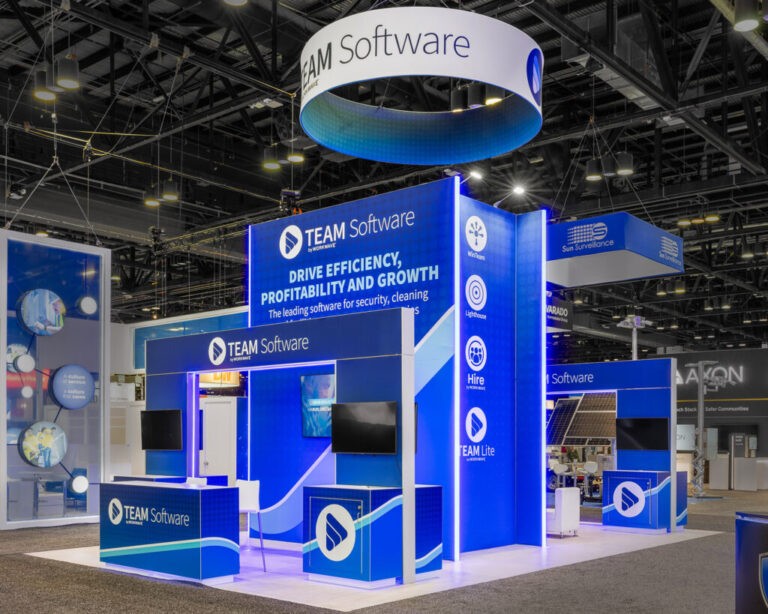
- The human eye follows predictable patterns when scanning for visual anchors. High-contrast color combinations, such as deep blues against bright whites, stand out more effectively than harmonious palettes that blend into the background.
- Height also commands attention through our evolutionary wiring. Research confirms that elevated elements (such as overhead banners, tall displays, or raised platforms) trigger automatic upward glances, as the brain scans for important information or opportunities. This vertical hierarchy proves why ground-level displays often go unnoticed.
- Motion also creates magnetic pull, but requires strategic restraint. While digital displays and live demonstrations draw eyes through peripheral vision detection, excessive movement overwhelms. Strategic booths tend to strike a balance between dynamic elements and calming static zones, giving visitors’ brains permission to focus rather than flee.
4. The Curiosity Gap Principle
The human brain cannot resist incomplete information. When presented with partial details, our minds automatically work to fill the gaps, creating an irresistible pull toward resolution. This neurological quirk, known as the curiosity gap, is the reason why partially revealed information outperforms complete explanations in capturing attention.
Question-based conversation openers leverage this principle well. When booth signage asks, “How did this company reduce downtime by 47%?” it compels visitors to seek answers. In contrast, statements like “We provide maintenance solutions” trigger no psychological tension.
The Zeigarnik Effect suggests that people tend to remember incomplete tasks more effectively than completed ones. Booth staff can leverage this by sharing partial case studies in their pitches, presenting before-and-after scenarios with missing details, or describing industry problems without immediately revealing solutions. This creates psychological tension that visitors can only resolve by continuing the conversation. The information gap becomes the hook that turns casual browsers into engaged prospects.
5. Social Proof as a Crowd Magnet
The gathering effect demonstrates how even small clusters of visitors signal value to passersby, who instinctively assume something worthwhile is happening. This social validation triggers curiosity and draws additional prospects into the conversation.
Strategic authority positioning amplifies this attraction. Displaying credentials, industry awards, and expert testimonials at eye level in high-traffic areas creates an immediate sense of credibility. These visual trust signals work before any conversation begins, establishing legitimacy that makes visitors more receptive to engagement.
When prospects see testimonials, case studies, or photos featuring companies and roles similar to their own, psychological identification occurs. This targeted social proof suggests direct relevance, transforming casual interest into genuine engagement and making the booth irresistible to qualified prospects.
6. Sensory Engagement Beyond Visual
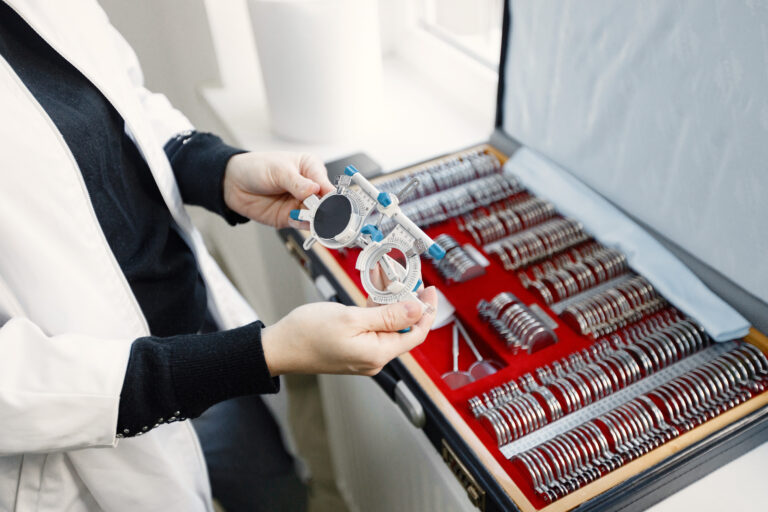
Beyond social proof, consider engaging visitors’ non-visual senses to create deeper connections.
Examples of effective sensory engagement at a trade show booth to drive traffic include:
- Tactile elements, such as interactive textures and hands-on demonstrations, trigger natural touch instincts, keeping visitors engaged for longer and creating memorable connections.
- Touchable samples or unique materials draw people in and naturally extend conversation time.
- While touch creates immediate engagement, scent works more subtly to influence visitor comfort and memory formation below conscious awareness. Research indicates that scented experiences remain memorable 40% longer than unscented interactions, making strategic olfactory design a valuable tool for creating a lasting brand impression.
Utilize one or all of these trade show exhibitor tips and you will maximize your return on investment quicker than you thought.